Fur Hen (Silkie Chicken): The Complete 2025 Guide to the Internet’s Favorite Fluffy Bird
Ever stumbled across a photo of a chicken so fluffy it looks like it’s wearing a fur coat? That, my friend, is what chicken lovers call a fur hen. These quirky birds are adored not just by backyard farmers but also by the internet at large, where they’ve become viral sensations.
Whether you’re here because you saw a viral TikTok or you’re thinking about starting a backyard flock, this guide has you covered. We’ll dive into the history, care, egg production, and even the latest trends surrounding these one-of-a-kind chickens.
What Is a Fur Hen? The Truth Behind the Name
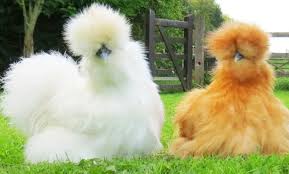
Despite the name, no chicken actually grows fur. “Fur hen” is a playful nickname given to certain chicken breeds with incredibly soft, fluffy feathers that look and feel like fur.
The most iconic example? The Silkie chicken.
Silkies have feathers that lack the tiny hooks (called barbicels) that hold traditional feathers together. The result is a downy, silky texture that sets them apart from other breeds.
Other chickens like Frizzles, Cochins, and Polish hens also fall into the “fur hen” category thanks to their plush, dramatic plumage.
Quick definition:
A fur hen is a chicken breed with unusually soft, fluffy, or curly feathers, prized for their unique look and gentle temperament.
A Brief History of Silkies and Fur Hens
The Silkie chicken, often seen as the original fur hen, has roots stretching back over a thousand years:
- Ancient China: Many historians trace the breed back to early Chinese dynasties.
- Marco Polo’s Travels (13th century): The explorer famously described a “furry chicken” during his journey through Asia.
- Silk Road & Maritime Trade: These birds spread westward through trade routes.
- Myths and Curiosities: In the 1500s, naturalists like Ulisse Aldrovandi described them as having “wool-like plumage,” and legends even claimed they were part rabbit!
By the 1800s, Silkies were recognized in Europe and later by the American Poultry Association. Today, they’re a staple in backyard flocks worldwide.
Why Fur Hens Are So Popular in 2025
The Backyard Chicken Boom
Raising chickens at home has skyrocketed in recent years. Families are looking for:
- Fresh, organic eggs
- Sustainable living solutions
- Fun, low-maintenance pets
Among the many breeds available, fur hens stand out because of their calm personalities, unique appearance, and suitability for beginners.
The Viral Internet Chickens Trend
Platforms like TikTok and Instagram are full of videos featuring Silkies and other fur hens strutting around like feathered supermodels.
Hashtags like #FluffyChickens and #SilkieSquad rack up millions of views, making these birds mini-celebrities.
One viral video featured a Silkie taking a bath — the bird gained thousands of followers overnight!
Most Popular Fur Hen Breeds
| Breed | Feather Type | Personality | Egg Production | Special Trait |
|---|---|---|---|---|
| Silkie | Soft, fur-like | Gentle, nurturing | 3-4 eggs/week | Excellent mothers |
| Frizzle | Curly, outward feathers | Friendly, quirky | Varies by breed | Eye-catching, viral favorite |
| Cochin | Thick, fluffy body feathers | Calm, large birds | 4-5 eggs/week | Cold-weather hardy |
| Polish | Dramatic head crests | Curious, playful | 3-4 eggs/week | Striking appearance |
Tip:
Silkies are the ultimate family-friendly chicken, while Cochins are ideal if you live in colder climates.
Raising Fur Hens: Care, Housing, and Feeding
Are Fur Hens Good for Beginners?
Absolutely!
Their gentle, docile temperament makes them easy to handle — even children can safely interact with them. The only challenge? Their fluffy feathers require extra grooming and protection from wet weather.
Coop & Environment Tips
- Keep their living space dry and well-ventilated to prevent feather matting.
- Provide 4 square feet per chicken inside the coop.
- Use predator-proof fencing to keep them safe.
Feeding Guidelines
- High-quality layer feed is a must.
- Add fresh greens and protein-rich treats like mealworms.
- Clean, fresh water should be available at all times.
Egg Production & Timeline
How Many Eggs Does a Fur Hen Lay Per Week?
Fur hens aren’t egg-laying powerhouses.
- Silkies and Polish hens: ~3-4 eggs per week (one every other day).
- Cochins: Slightly higher at 4-5 eggs per week.
- By comparison, breeds like Leghorns can lay 5-6 eggs weekly.
Their eggs are small but rich in flavor and come in a variety of beautiful shades.
When Do Fur Hens Start Laying?
Most fur hens begin laying between 5-7 months of age.
Watch for these signs:
- Reddening of the comb and wattles
- Exploring nest boxes
- Increased squawking
Pros and Cons of Keeping Fur Hens
The Benefits
- Gentle and family-friendly
- Unique, adorable appearance
- Natural broodiness — they’ll even hatch other birds’ eggs
- Great conversation starters and social media stars
The Challenges
- Lower egg production
- High feather maintenance (bathing or spot-cleaning required)
- Sensitive to cold and wet climates
Choosing the Right Breed for Your Flock
For the best mix of personality and production:
- Include fur hens like Silkies or Cochins for charm and brooding ability.
- Add high-output layers like Leghorns or Rhode Island Reds to boost egg supply.
- Keep at least 3-4 chickens total for a balanced flock dynamic.
Future Trends: Fur Hens in 2025 and Beyond
The future looks bright for fur hens:
- Breeders are experimenting with new color varieties and even fluffier plumage.
- Online communities are growing rapidly, offering virtual flock tours and care classes.
- Expect even more viral stars as backyard chicken videos continue to dominate TikTok and Instagram.
FAQs About Fur Hens
mlQ1: What is a fur hen?
A fur hen is a chicken breed with extra-soft, fluffy feathers, most commonly the Silkie chicken. These birds are prized for their gentle nature and viral-worthy looks.
Q2: How many eggs does a Silkie lay per week?
Silkies typically lay 3-4 eggs per week, or about one egg every other day.
Q3: When do chickens start laying eggs?
Most chickens, including fur hens, start laying between 5-7 months old. Diet, environment, and breed can affect the exact timing.
Q4: What’s the best chicken breed for beginners?
Silkies are fantastic for beginners thanks to their calm personalities. Combine them with Leghorns or Australorps for a productive yet friendly flock.
Q5: Can fur hens live with other chicken breeds?
Yes! They get along well with most breeds, though larger, more aggressive chickens should be introduced gradually.
Final Thoughts
Fur hens bring a mix of charm, history, and joy to any backyard flock. While they won’t keep your fridge overflowing with eggs, they’ll fill your life with laughter, companionship, and maybe even viral fame.
Whether you’re a first-time chicken keeper or a seasoned poultry pro, adding a few of these fluffy birds to your flock is a decision you won’t regret.