Over the Hill Age: Understanding the Concept and Embracing Aging
The phrase “over the hill age” is a common idiom, but what does it really mean? There’s no official age, but it generally suggests someone has passed their prime years, often around age 40 or 50. However, the concept is subjective and varies between individuals and cultures. Understanding the nuances of this phrase, its origins, and how it relates to the aging process can help us embrace aging gracefully and positively.
This article explores the meaning of “over the hill age,” its historical context, and the ages commonly associated with it. We’ll delve into the symptoms and signs some associate with this life stage, examine global life expectancy and aging trends, and discuss how our perceptions of aging can impact longevity. We will also explore medical equipment and supplies relevant to those in this age bracket. Finally, we’ll offer tips for graceful aging, ways to reframe the concept, and other ways to express the idea of being “over the hill.” Understanding age stereotypes and recognizing our shared humanity regardless of age are also key components of embracing this stage of life.
What Does ‘Over the Hill’ Mean?
The phrase “over the hill” typically refers to someone who is past their prime, often associated with middle age. Traditionally, this was considered to be around age 40. However, this is an outdated concept reflecting historical views when life expectancy was shorter. People were considered “old” at a much younger age. Today, with longer life expectancy and people remaining active well into their later years, the idea of being “over the hill” at 40 is often seen as obsolete or even ageist. Many people in their 40s, 50s, and even 60s and 70s are at the peak of their careers, physically active, starting new ventures, and contributing valuable experience to society. The modern view emphasizes that age is just a number, and vitality isn’t determined by reaching a specific milestone.
Why Do They Call It ‘Over the Hill’?
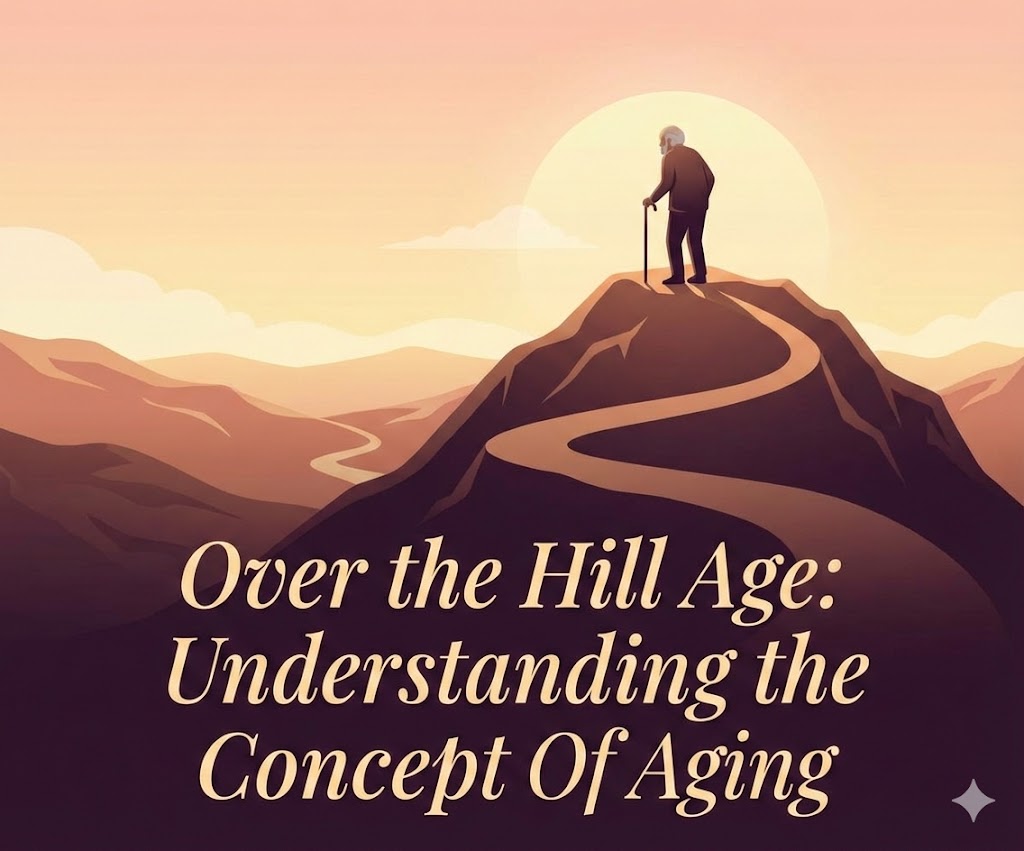
“Over the hill” is a metaphor describing the point in life when someone has passed their peak physical and mental capabilities. The phrase visualizes life as climbing a hill during youth, reaching the summit in prime years, and then descending into later years. While commonly associated with turning 40, there’s no universal agreement on when someone becomes “over the hill.” The phrase is often used humorously, especially around milestone birthdays, to acknowledge the passage of time.
‘Over the Hill’ Origins
The exact origins of the phrase “over the hill” are uncertain, but it likely emerged in England in the mid-1900s. It reflects the idea of a climber ascending a hill, symbolizing youth and growth, and then descending, symbolizing the decline that comes with age. The phrase gained popularity as medical technology advanced and people began living longer. It’s a privilege to be “over the hill,” as past generations had shorter lifespans.
What Age Is Considered ‘Over the Hill’?
There is no official age that is considered over the hill. Whether it’s 40 over the hill age or 50 over the hill age is subjective and varies from person to person. Some might consider 40 or 50 over the hill age, while others may think it’s 60 or 70. The perceived “over the hill age” depends on individual perspectives and cultural norms.
Common Ages Considered ‘Over The Hill’:
- 40 years old: Traditionally considered the most common “over the hill” age.
- 50 years old: Another frequently cited milestone.
- 60-70 years: Some consider these ages “over the hill” as perspectives change with increased life expectancy.
- Variable: The actual age can differ based on individual health and lifestyle.
Symptoms and Signs of Reaching ‘Over The Hill’ Age
While aging brings wisdom and experience, it can also be associated with certain physical and mental changes. These signs are often gradual and vary from person to person. Some common symptoms associated with reaching the “over the hill age” include:
- Memory loss or difficulty remembering things
- Reduced energy levels and increased fatigue
- Difficulty staying up late at night
- Declining physical fitness and difficulty with activities previously enjoyed, such as gardening
- Perceived decline in attractiveness and sexual desire
- Increased susceptibility to diseases
It’s important to remember that not everyone experiences all of these symptoms. Some may experience one or two while others may not notice them for a long time. Recognizing these symptoms as a natural part of the aging process can help individuals adapt and embrace aging gracefully.
Global Life Expectancy and Aging Trends: The Over-the-Hill Age and Beyond
Global average life expectancy has increased significantly in recent decades. According to the Institute for Health Metrics and Evaluation (IHME), global life expectancy is projected to increase by nearly five years by 2050, with healthy life expectancy (HALE) expected to rise to 67.4 years. In wealthier countries like Japan and Switzerland, individuals often live well into their 80s and 90s. These trends reflect advancements in healthcare, nutrition, and living conditions. However, it’s important to note that while people are living longer, their health span (the period of life spent in good health) hasn’t always kept pace. Chronic conditions like heart disease, diabetes, and arthritis are more common as people age, especially after 40 or 50. This highlights the importance of preventive health measures to maintain quality of life.
The Power of Perception: How Your Views on Aging Impact Longevity
Our perception of aging significantly influences our health outcomes. Research from Yale University, led by Professor Becca Levy, found that individuals with positive views on aging live an average of 7.5 years longer than those with negative views. This study, which followed 660 people over two decades, also revealed that those with positive views experienced fewer cognitive and physical declines. They were more likely to maintain their independence and recover from health setbacks. Negative perceptions of aging can increase the risk of developing health issues like cardiovascular disease and dementia. Studies show that those who view aging negatively are 44% less likely to recover from severe disabilities. Cultivating a positive mindset about aging can directly impact how well we age.
Aging-Related Health Statistics: Chronic Conditions and Preventive Care
As people reach their over the hill age, starting around 40 or 50, they face a higher risk of chronic conditions. According to NCOA research, about 95% of older adults manage at least one chronic illness. Common issues include:
- Hypertension: High blood pressure affects nearly 60% of older adults.
- Diabetes: Middle-aged adults are at increased risk of type 2 diabetes, with lifestyle factors playing key roles.
- Arthritis: This condition becomes more prevalent as joints wear down, affecting mobility and quality of life.
Preventive health strategies like regular exercise, a balanced diet, and routine medical screenings can significantly reduce the risk of developing these conditions. Modern technology, such as blood pressure monitors and glucose testing kits, can help individuals manage their health effectively.
Medical Equipment & Supplies for the Over the Hill Age
As individuals enter the over the hill age, often marked by turning 40 or older, there’s a growing need for medical equipment and supplies to address age-related health concerns. This stage of life often brings new health challenges, and the right tools can help maintain quality of life and independence. Here are some products commonly associated with this age group:
Blood Pressure Monitors
Hypertension becomes more common as we age, making blood pressure monitors a key tool for maintaining cardiovascular health. Modern devices, like automatic digital monitors, allow you to track your readings over time, offering insights into your heart health. Regular monitoring can help catch early signs of potential issues, leading to better management and prevention.
Glucose Monitoring Kits
Managing blood sugar levels is crucial for those diagnosed with prediabetes or diabetes, conditions often discovered in middle age. Glucose monitoring kits, including continuous glucose monitors (CGMs) and traditional glucometers, allow for regular blood sugar tracking, making diabetes management more straightforward and effective. These tools can help prevent complications by keeping glucose levels in check.
Orthopedic Support Products
Joint pain, arthritis, and swelling can affect mobility and quality of life. Orthopedic products like back braces, knee supports, and compression socks offer relief from discomfort and support joint health. Items such as lumbar support braces or copper compression sleeves are specifically designed to alleviate pain and make day-to-day activities easier.
Hearing Aids
Age-related hearing loss is a common issue that can impact communication and quality of life. Hearing aids, such as in-the-ear (ITE) or behind-the-ear (BTE) devices, can significantly improve hearing clarity and reduce the frustration of missed conversations. Today’s digital hearing aids are discreet, powerful, and customizable to individual needs.
Reading Glasses and Magnifiers
Vision changes, especially presbyopia, often occur after age 40, making it difficult to read fine print or see clearly up close. Reading glasses or handheld magnifiers can restore clarity for tasks like reading or using a smartphone. Available in prescription and non-prescription options, these vision aids help maintain independence and reduce eye strain.
Mobility Aids
If walking or joint pain becomes challenging, mobility aids can provide essential support. Products like lightweight foldable walkers or rollators with seats allow for greater freedom and confidence while moving. These mobility aids for senior citizens are not just about assistance; they promote staying active and engaged with the world.
Pill Organizers and Dispensers
Managing multiple medications can be overwhelming, but pill organizers and electronic dispensers make the task simpler. With features like daily or weekly compartments and reminder alerts, these tools ensure that you never miss a dose, making it easier to manage health conditions effectively.
Pain Relief Devices
Chronic pain from conditions like arthritis or muscle tension can affect daily life. Pain relief devices, such as TENS units (transcutaneous electrical nerve stimulation), offer non-invasive ways to manage discomfort. These portable devices are easy to use and provide targeted pain relief without medication, helping to reduce reliance on painkillers.
Sleep Aids and CPAP Machines
Sleep disorders, such as sleep apnea, become more prevalent with age. Devices like CPAP (Continuous Positive Airway Pressure) machines help improve sleep quality and overall health by ensuring proper airflow during sleep. Alongside anti-snoring devices and orthopedic pillows, these products enhance rest and recovery for those dealing with sleep issues.
Personal Alarms or Medical Alert Systems
For individuals living independently, personal alarms or medical alert systems provide peace of mind. Wearable devices with fall detection and GPS tracking can quickly summon help in emergencies. These systems empower older adults to maintain independence while staying safe in case of accidents or health concerns.
Skin Care for Aging Skin
As skin changes with age, it’s important to use products that nourish and protect it. Specialized moisturizers, sunscreens, and anti-aging creams are designed for mature skin, helping to prevent dryness and reduce the appearance of wrinkles. Taking care of your skin ensures it remains healthy, hydrated, and protected from environmental factors.
Seat Cushions
Comfort while sitting is crucial for maintaining quality of life. Seat cushions can provide support and alleviate discomfort during long periods of sitting.
These products are designed to meet the evolving health and wellness needs of those over the hill age ensuring that age doesn’t become a barrier to living a full, vibrant life.
Tips for Graceful Aging
Stay Active
- Maintain regular exercise routines
- Engage in social activities
- Continue learning new skills
- Pursue hobbies and interests
Support Health
- Schedule regular check-ups
- Monitor vital health metrics
- Maintain proper nutrition
- Get adequate rest
How to Embrace Aging
- Realize aging happens to everyone.
- Stop focusing on what people tell you.
- Surround yourself with loved ones.
How to Use ‘Over the Hill’
The phrase “over the hill” can be used in various contexts, often humorously, to acknowledge the passage of time and the changes that come with age. It’s commonly used to celebrate milestone birthdays, like turning 40 or 50. You can say someone is “over the hill” to celebrate a milestone middle age birthday. While some might take offense, it’s typically used casually to acknowledge someone is beyond their prime and honor the years they’ve lived. You can also call yourself “over the hill” when you feel the effects of aging. It’s a playful way to explain that you’re not as youthful as you once were. Describe yourself as “over the hill” when you don’t understand a gen-z reference. Aging doesn’t just mean you’re not as energetic; it also means missing out on the jokes and culture of younger generations.
Other Ways to Say ‘Over the Hill’
There are many other ways to say someone has gotten older. These include:
- Past your prime
- No spring chicken
- Long in the tooth
- Seen better days
- Advanced in years
- Up in years
Don’t Forget This Finding
Traditionally, forgetfulness has been associated with aging. But an AARP study found that Millennials claim to forget things daily by 5 percent more than those reporting from the other 2 generations. Perhaps this is due to their hectic, fast-paced lives.
What About Age Stereotypes?
Approximately 30 percent of those surveyed admitted to having made assumptions about people based solely on their age.
When it came to describing aging stereotypes, the most common generalizations focused on an older person’s poor driving ability, physical slowness, and stubborn view on things.
Younger people were most often accused of being too dependent on modern technology, appearing self-centered, and wanting everything immediately without earning it.
Despite beliefs to the contrary, for the most part, all age groups didn’t see themselves treated inappropriately or disrespectfully based on their age.
Interestingly the youngest respondents felt most victimized by age discrimination. The breakdown for experiencing perceived inappropriate treatment were Millennials, 17%; GenXers, 7%; and Baby Boomers, 13%.
How Are We All the Same Regardless of Age?
In the research, there were several beliefs and priorities that all the generational respondents agreed on. This included continuing to learn new skills regularly and feeling that aging is about living, not dying. All ages agreed that both experience and wisdom come with age.
They all claimed that the biggest limitations due to aging centered around physical abilities, fashion choices, and the ability to find a job. Thinking people are more likely to lie about their weight or their income than age.
Finally, There is That Great Equalizer
Not surprisingly, that would be sex.
While respondents in all age groups claimed they were engaging in sex several times a month, the vast majority would prefer to have it more often than they were.
Guess it all just goes to show that there is equality when it comes to what happens behind closed doors and drawn curtains. No matter what age we are, we’re more alike than we are different. Or at least that’s what we want people to think.
Conclusion
Reaching your over the hill age is a natural process that all living beings go through. It is the phase of life when one starts to get older and does not remain as active as one was. It is important to consider that reaching over the hill age is a subjective term and can vary from person to person. But you should know that aging is a natural process and there is nothing you can do to stop it. You can, however, slow your aging process by making lifestyle changes, and in this way, you can embrace your over the hill age gracefully and confidently.