
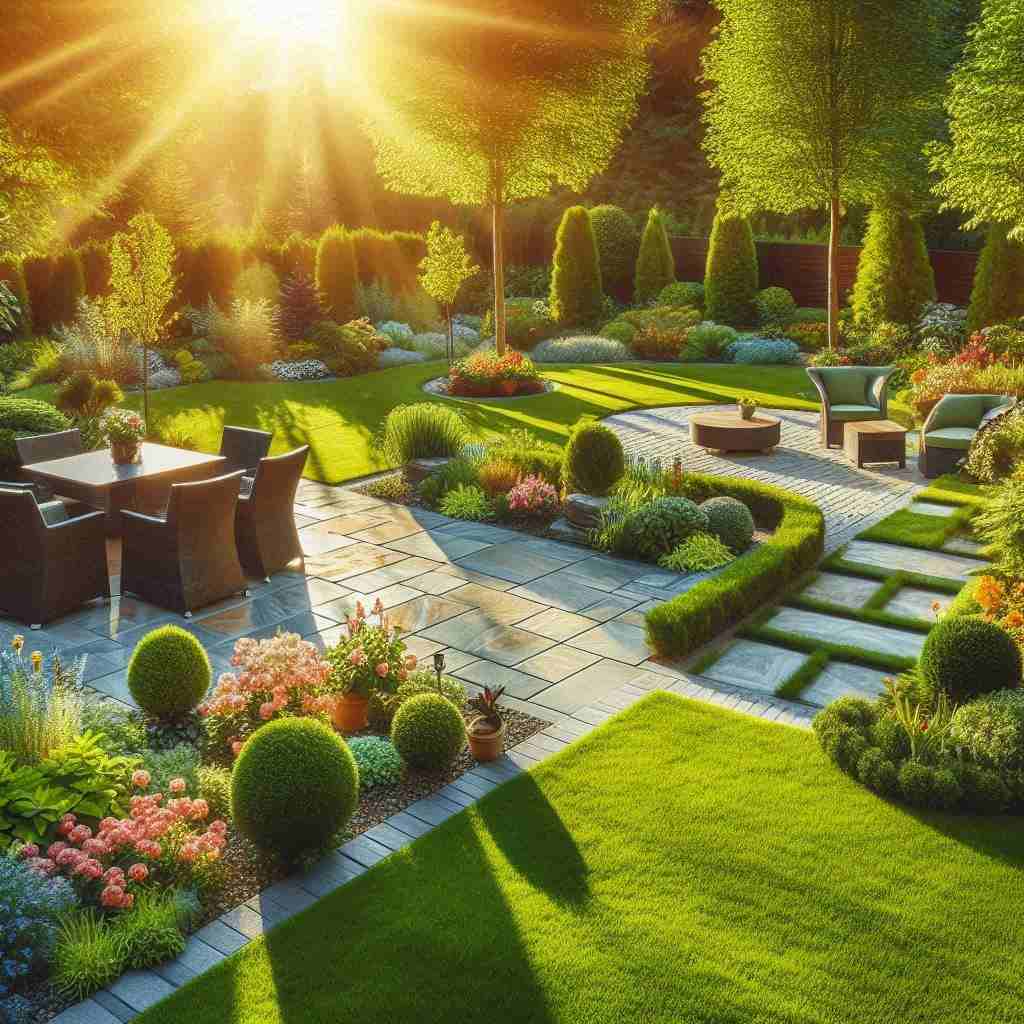
Revitalize Your Yard: Professional Insights for an Attractive and Efficient Outdoor Area
Transforming your yard into a beautiful and functional outdoor space requires a balance between aesthetic appeal and practical use. Whether you’re looking to create a peaceful retreat, a vibrant garden, or a place where the family can gather, it’s important to plan carefully. Here’s a guide to help you reimagine your yard with tips from the experts, so you can achieve a landscape that not only looks great but also works for your needs.
Start with a Clear Vision
The first step in reimagining your yard is understanding what you want to achieve. Do you need a quiet spot to unwind, or are you more interested in creating an outdoor entertainment area? Perhaps you want a garden full of flowers or a space with low-maintenance shrubs and trees. Whatever your preferences, the key is to visualize the outcome.
Take the time to sketch out ideas or look for inspiration online. There are many resources available to help you get started, including Pinterest, Houzz, and other design websites. A well-thought-out plan helps guide the design process and ensures that the space you create meets your lifestyle.
Define Functional Zones
Once you’ve developed a vision for your yard, it’s time to break it into functional zones. This will help you structure the space in a way that makes sense for how you plan to use it. For example, consider setting up separate areas for dining, lounging, gardening, and play.
A well-defined zone can improve the flow of your yard, making it feel more organized and usable. For instance, if you love outdoor meals, a designated dining area with a table and chairs could work beautifully. You can also create a play zone for children, which could include a small playground or a sandbox.
Think about traffic flow and accessibility as well. Paths or walkways can help direct people to different areas, and seating arrangements can ensure everyone has a comfortable place to relax. When planning your zones, always consider how you’ll use the space in different seasons.
Choose the Right Plants
Selecting the right plants is one of the most important aspects of landscaping. The plants you choose should be both aesthetically pleasing and suitable for your climate. Native plants are often the best choice because they require less maintenance and are more likely to thrive in your environment.
Start by considering the amount of sunlight your yard receives. Some plants, like sunflowers or lavender, need full sunlight, while others, such as hostas or ferns, thrive in the shade. You should also factor in soil quality and water availability. If your region is prone to drought, you’ll want to choose drought-resistant plants that require minimal water.
Adding a variety of textures and colors to your garden can make it more visually interesting. Consider mixing tall plants with low groundcovers and flowering plants with leafy shrubs. This not only adds beauty but also helps create a dynamic outdoor environment.
Incorporate Hardscaping Elements
Hardscaping refers to the non-plant elements in your yard, such as patios, walkways, retaining walls, and decks. These elements are essential for creating structure and balance in your landscape. They also make the space more functional.
A well-designed deck can be a central feature of your yard, providing a place for relaxation, dining, or entertaining. If you don’t already have one, you might want to consider working with deck builders to create a custom deck that fits your needs. Whether you want a simple wood deck or a more elaborate multi-level structure, deck builders can help turn your vision into reality.
Other hardscaping elements include stone walkways, fire pits, and water features like fountains or ponds. These features add texture and interest to your space. A fire pit, for example, can serve as a gathering point for friends and family, while a water feature can add a tranquil element to your garden.
Prioritize Low-Maintenance Design
While it’s tempting to fill your yard with a variety of plants and structures, it’s essential to think about long-term maintenance. A low-maintenance yard doesn’t mean sacrificing beauty or functionality, but it does require careful planning.
Consider using materials that are easy to care for. For example, installing a composite deck instead of a wood deck can reduce the need for regular upkeep like sealing or staining. When selecting plants, choose those that are hardy, drought-tolerant, and pest-resistant.
You can also limit the amount of lawn in your design. Lawns require regular mowing, watering, and fertilizing, making them high-maintenance. By replacing part of your lawn with gravel, mulch, or groundcover plants, you can reduce your yard’s upkeep.
Lighting Matters
Outdoor lighting is an often-overlooked aspect of landscaping, but it’s essential for creating ambiance and extending the usability of your yard into the evening hours. Proper lighting can highlight the beauty of your plants, accentuate architectural features, and make pathways safer to navigate after dark.
Consider installing pathway lights along walkways or steps, and use spotlights to draw attention to trees, sculptures, or architectural elements. You can also add string lights around your deck or patio to create a cozy, inviting atmosphere.
When selecting lights, opt for energy-efficient LED bulbs that last longer and consume less power. Solar-powered lights are another great option because they don’t require wiring and can be placed in areas with plenty of sunlight.
Add Personal Touches
Your yard should reflect your personality and style. Adding personal touches can make the space feel more like your own. Consider incorporating decorative elements such as sculptures, birdbaths, or garden gnomes. Outdoor furniture in unique styles can also help you express yourself while making the space more comfortable.
Another great way to add personality to your yard is by incorporating elements from your home’s interior design. If your home features modern decor, choose sleek, minimalist furniture and hardscaping elements for your yard. If you prefer a more rustic feel, look for natural materials like wood and stone.
Plan for Sustainability
Sustainability is becoming an important consideration for many homeowners when it comes to landscaping. Not only does it benefit the environment, but sustainable practices can also save you time and money in the long run.
Start by using native plants, as they are better suited to your local environment and require fewer resources. If possible, install a rainwater collection system to water your garden. Choose eco-friendly materials for any hardscaping features, such as recycled stone or sustainably sourced wood.
You can also design your yard to be wildlife-friendly by including plants that attract bees, butterflies, and birds. A small vegetable garden or herb garden can help reduce your reliance on store-bought produce, adding a sustainable element to your outdoor space.
Conclusion
Revitalizing your yard is an exciting project that requires careful thought and planning. By defining functional zones, selecting the right plants, and incorporating hardscaping elements, you can create an outdoor area that is both beautiful and functional. Don’t forget to consider maintenance and sustainability to ensure that your new landscape will thrive for years to come. With professional tips and the right approach, you’ll be able to transform your yard into an inviting, practical space that enhances your lifestyle.
