Tsunaihaiya: Meaning, Origins, and Cultural Significance
In a world where traditions risk being overshadowed by fast-paced digital culture, some expressions still carry the heartbeat of community and heritage. One such treasure is Tsunaihaiya — a chant that resonates with rhythm, unity, and spirit. More than just a word, it is a living expression of culture, storytelling, and togetherness.
What Does Tsunaihaiya Mean?
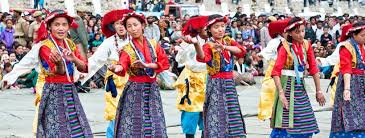
Tsunaihaiya is not a phrase with a direct translation. Instead, it is a communal chant used in dances, rituals, and celebrations. Its syllables carry sound and energy rather than literal meaning, making it both musical and emotional.
Often performed in a call-and-response style, the chant links participants, musicians, and audiences together. Whether paired with drums, claps, or dance steps, it acts as a bridge between movement, rhythm, and shared emotion.
Origins of Tsunaihaiya
The roots of Tsunaihaiya trace back to tribal and folk traditions. Communities would gather to celebrate:
- Harvest seasons
- Victories and achievements
- Seasonal changes and festivals
Through chanting, people synchronized their dances, movements, and spirits. Oral traditions passed the chant down generations, keeping it alive without written records. While exact origins may differ across regions, its essence of unity and rhythm remains constant.
Cultural Importance
The true power of Tsunaihaiya lies in its ability to turn many voices into one collective force. It:
- Strengthens cultural identity
- Creates a sense of togetherness during rituals
- Reminds participants that they are part of something larger than themselves
In festivals, ceremonies, and community dances, it becomes more than sound — it is the heartbeat of tradition.
Benefits of Tsunaihaiya in Community Life

- Strengthens Bonds – Chants in unison deepen social ties.
- Emotional Release – The repetition relieves stress and uplifts spirits.
- Guides Performances – Provides rhythm for dancers and immersion for audiences.
- Preserves Culture – Connects modern generations to ancestral practices.
Challenges in Preserving Tsunaihaiya
Like many oral traditions, Tsunaihaiya faces threats in the modern age:
- Globalization introduces digital entertainment over cultural practice.
- Lack of Documentation makes it vulnerable to being forgotten.
- Generational Gaps mean fewer young people are exposed to it.
To safeguard it, cultural groups and educators are finding ways to record, teach, and adapt the chant to modern contexts.
Tsunaihaiya in Modern Times
The chant is far from forgotten. Today, you can find it in:
- Cultural festivals and rituals
- Educational programs teaching heritage to students
- Contemporary music and dance, where artists blend it into modern rhythms
By adapting to new forms, Tsunaihaiya continues to inspire both traditional and modern audiences.
The Spiritual Essence
Beyond rhythm, Tsunaihaiya holds a spiritual dimension. Chanting in harmony helps individuals align with collective energy, bringing:
- Blessings and joy
- A stronger bond with ancestors
- A sense of peace through shared vibration
For communities, it becomes both a ritual and a reminder of unity across generations.
Practicing Tsunaihaiya: A Simple Guide
Want to experience the energy of this chant? Try it in a group setting:
- Gather people in a circle.
- Set a beat with claps or a drum.
- Begin chanting slowly in unison.
- Increase rhythm and add dance movements.
- Repeat to build energy and harmony.
It’s less about perfection, more about participation and connection.
Conclusion
Tsunaihaiya is more than a chant — it is a cultural heartbeat. From its tribal origins to modern adaptations, it carries stories, traditions, and spiritual depth.
Preserving it means safeguarding more than words; it means protecting the rhythm of heritage and unity. The next time you hear or practice Tsunaihaiya, let it remind you of the power of voices rising together in harmony.