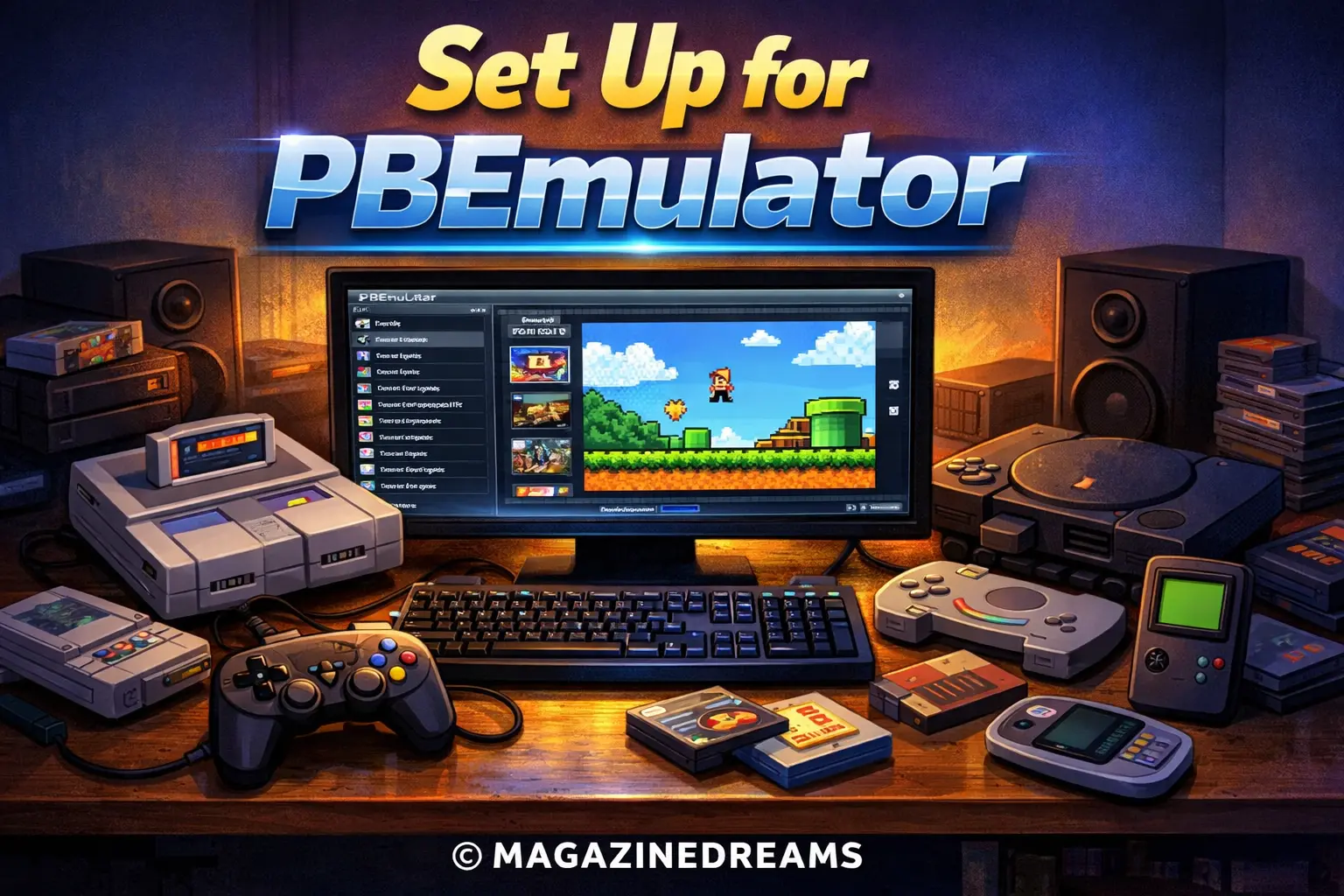
Set Up PBLEMULATOR: The Ultimate Guide to Flawless Play
Setting up PBLEMULATOR can seem daunting, but this guide provides a clear, step-by-step approach to ensure a smooth and successful experience. The “set up for pblemulator” refers to the process of configuring the PBLEMULATOR software to accurately mimic a target hardware environment, allowing you to run applications or games designed for that environment on your current system. This involves installing the software, configuring BIOS files, optimizing graphics and audio settings, and organizing your ROMs/ISOs.
The main benefits of a properly configured PBLEMULATOR include enhanced performance, stable visuals, and responsive controls. By following this guide, you can prevent crashes, reduce lag, and achieve a near-native experience. With the correct files settings, you’ll unlock the full potential of this powerful emulator.
PBLEMULATOR is primarily used for gaming, allowing you to relive classic titles on modern hardware. It’s also valuable for software developers and testers who need to run applications in older hardware environments. This guide covers key components such as system requirements, installation, BIOS configuration, graphics and audio settings, ROM organization, troubleshooting, and security. By understanding these elements, you can master the “set up for pblemulator” and enjoy flawless emulation.
Why You Should Use PBLEMULATOR
PBLEMULATOR offers a convenient way to experience software and games from other systems without needing the original hardware. It allows for customization and performance enhancements, such as upscaling graphics and using modern controllers. For developers, it provides a testing environment to ensure compatibility across different platforms. With a proper setup, PBLEMULATOR delivers a reliable and efficient emulation experience.
Understanding PBLEMULATOR: What It Is and Why It Matters
PBLEMULATOR is an emulator, a type of software that mimics the hardware and software environment of another system. What Is PBLEmulator and Why Setup Matters? It allows you to run applications or games designed for that original system on your current device, be it a computer running Windows, Mac, or Linux.
The “set up for pblemulator” is crucial because the emulator doesn’t inherently know how the emulated system works. It depends on correct files settings and system resources to accurately replicate the original environment. A proper setup ensures stable visuals, responsive controls, and clear audio. Without it, you may experience crashes, lag, black screens, or other issues that detract from the experience.
Quick Overview of PBLEMULATOR Features
PBLEMULATOR boasts a range of features designed to enhance your emulation experience. These include:
- Compatibility: Supports a wide range of systems and file formats.
- Customization: Allows you to adjust graphics, audio, and input settings to your preferences. Customize Interfaces to tailor the user experience.
- Performance: Offers performance optimization options to boost FPS and reduce lag.
- Save States: Enables you to save and load your progress at any point in a game.
- Plugins: Supports plugins and extensions to add extra functionality. Community Plugins can enhance the emulator’s capabilities.
- Controller Support: Works with various controllers for a more authentic gaming experience.
System Requirements: Ensuring Compatibility Before You Start
Before you begin the “set up for pblemulator”, it’s important to ensure that your system meets the minimum requirements. PBLEMULATOR can run on a range of hardware, but performance depends on your system’s specifications.
Minimum Requirements
- Operating System: Windows 7 or later
- CPU: Dual-core CPU
- RAM: 4 GB
- Storage: 2 GB free space
- Graphics: OpenGL compatible graphics card
Recommended Setup
- Operating System: Windows 10 or newer
- CPU: Quad-core CPU
- RAM: 8 GB or more
- Storage: SSD for faster loading times
- Graphics: Dedicated graphics card with updated graphics drivers
Even if your system meets only the minimum requirements, PBLEMULATOR can still run, but you may need to adjust the settings to optimize performance. Older hardware environments may require tweaking settings for optimal performance.
Downloading PBLEMULATOR Safely: Sources and Verification
Downloading only from trusted sites is crucial to prevent malware or corrupted files. The official PBLEMULATOR website or reputable software repositories are the safest sources. Before running the installer, verify the file’s integrity using a checksum (SHA-256) to ensure it hasn’t been tampered with.
Step-by-Step Installation Guide
Follow these steps to install PBLEMULATOR correctly:
Step One: Downloading the PBLEMULATOR Installer
Visit the official PBLEMULATOR website or a trusted software repository. Download the installer for your operating system (Windows, macOS, or Linux). Downloading only from trusted sites is crucial.
Step Two: Preparing Your System
Before running the installer, close any unnecessary applications to free up system resources. Temporarily disable antivirus software, as it may interfere with the installation process.
Step Three: Running the Installer
Locate the downloaded installer file and double-click it to run. Follow the on-screen instructions, accepting the license agreement and choosing the installation directory. Using the default install folder is generally recommended. Once the installation is complete, launch PBLEMULATOR.
First Launch Configuration
After installation, the First Launch Configuration You Should Not Skip. This includes setting up the BIOS files and configuring basic settings.
Configuring BIOS Files: The Critical Foundation for Emulation
BIOS files are essential for PBLEMULATOR to function correctly. They contain the system software needed to boot and run games.
How to Set BIOS Correctly
- Obtain the correct BIOS files for the system you want to emulate. Only use BIOS from consoles you own.
- Create a folder named “bios” in the PBLEMULATOR directory.
- Place the BIOS files in the “bios” folder.
- In PBLEMULATOR settings, navigate to the BIOS section and select the path to the “bios” folder.
- Confirm the region is detected correctly. Wrong BIOS files are a common cause of black screens.
Setting Up Graphics, Audio, and Controls for Immersive Gameplay
Configuring graphics, audio, and controls is crucial for an immersive gameplay experience.
Graphics and Display Settings
Recommended Settings
- Renderer: OpenGL or Vulkan (depending on your graphics card)
- Resolution: Native or scaled to a higher resolution for better visuals. Graphics settings affect performance.
- V-Sync: Enable to prevent screen tearing, disable if it causes lag.
Audio Settings and Optimization
Audio Tips
- Backend: Default audio backend is usually fine.
- Latency: Adjust latency to minimize crackling or audio delays.
Controller and Input Configuration
How to Configure Inputs
- Connect your controller to your computer.
- In PBLEMULATOR settings, navigate to the input configuration section.
- Map the controller buttons to the corresponding functions in the emulator.
Organizing and Loading ROMs/ISOs: Getting Your Games Running
ROMs/ISOs are the game files that PBLEMULATOR runs.
Best Practices
- Create one main ROM folder to store all your game files.
- Keep files uncompressed unless required.
- Avoid symbols in file names.
Storage Management and File Organization
Proper storage management and file organization are essential for a smooth emulation experience. Keep your ROMs, BIOS files, and PBLEMULATOR installation organized in separate folders. This makes it easier to find and manage your files.
Performance Optimization: Boosting FPS and Reducing Lag
If you experience lag or low FPS, try the following performance optimization tips:
- Lower the resolution.
- Close unnecessary background applications.
- Update your graphics drivers.
- Adjust graphics settings in PBLEMULATOR.
- Ensure your system meets the recommended requirements.
Advanced Configuration and Performance Tuning
For advanced users, PBLEMULATOR offers a range of configuration options to fine-tune performance. This includes adjusting CPU allocation, GPU usage, and memory management. Experiment with these settings to optimize the emulator for your specific hardware and software.
Tips and Tricks for Enhancing Your Experience
- Use save states to quickly save and load your progress.
- Experiment with different graphics settings to find the optimal balance between performance and visual quality.
- Explore the available plugins and extensions to add extra functionality.
Integrating Plugins and Extensions
PBLEMULATOR supports plugins and extensions that can enhance its functionality. These can include graphics enhancements, cheat codes, and other useful features. Research and install plugins from trusted sources to avoid malware or compatibility issues.
Advanced Features and Customization
Customize Interfaces
Tailor the user interface to your preferences.
Use Scripting
Automate tasks and customize the emulator’s behavior using scripting languages.
Community Plugins
Explore and install plugins created by the PBLEMULATOR community to add new features and enhancements.
Troubleshooting Common PBLEMULATOR Issues
Even with a proper “set up for pblemulator”, you may encounter issues. Here are some common problems and their solutions:
Installation Issues
- Ensure your system meets the minimum requirements.
- Download the installer from a trusted source.
- Temporarily disable antivirus software during installation.
Performance Issues
- Lower the resolution.
- Close unnecessary background applications.
- Update your graphics drivers.
Emulator Does Not Open
- Run PBLEMULATOR as administrator.
- Temporarily disable antivirus software.
- Reinstall PBLEMULATOR.
Black Screen
- Ensure you have the correct BIOS files.
- Verify the ROM/ISO file is not corrupted.
- Check the graphics renderer settings.
Lag or Low Speed
- Lower the resolution.
- Close background apps.
- Change graphics backend.
- Consider upgrading your hardware.
PBLEMULATOR Safety and Legal Considerations
PBLEMULATOR itself is safe to use, but it’s important to be aware of the legal and ethical considerations surrounding emulation.
Security and Safe Usage Practices
Stay Safe By
- Downloading only from trusted sites.
- Avoiding modified plugins.
- Keeping the emulator updated.
Alternatives to PBLEMULATOR: When to Switch
While PBLEMULATOR is a powerful emulator, there are alternatives that may be better suited for specific systems or purposes. Consider DuckStation or PCSX2 as alternatives.
Leveraging Community Resources
The PBLEMULATOR community is a valuable resource for troubleshooting, finding plugins, and getting tips and advice. Online forums and communities can provide helpful information and support.
Documenting Your Setup
Keep a record of your PBLEMULATOR setup, including the version number, BIOS files used, graphics settings, and installed plugins. This will make it easier to troubleshoot issues or replicate your setup on another system.
Real-World Applications and Use Cases
PBLEMULATOR has a wide range of real-world applications, from gaming and software testing to educational simulations and research.
Tips for Maximizing Efficiency
Optimize your PBLEMULATOR setup for efficiency by using keyboard shortcuts, creating custom configurations, and automating tasks with scripting.
Performance Tips for Long-Term Use
Maintain the long-term performance of PBLEMULATOR by keeping your system updated, regularly cleaning up your ROM/ISO library, and monitoring system resources.
Longevity and Maintenance
Regular maintenance is crucial for ensuring the longevity of your PBLEMULATOR setup. This includes updating the emulator, cleaning up your ROM/ISO library, and monitoring system resources.
Encouraging Experimentation and Creativity
Don’t be afraid to experiment with different settings, plugins, and configurations to find what works best for you. PBLEMULATOR is a powerful tool that can be customized to suit your individual needs and preferences.
Conclusion: Mastering PBLEMULATOR
Mastering the “set up for pblemulator” requires attention to detail, a willingness to experiment, and a basic understanding of how emulators work. With the knowledge and tips provided in this guide, you can create a stable, efficient, and enjoyable emulation experience. Set it up once, maintain it properly, and enjoy smooth performance anytime.
Frequently Asked Questions (FAQs)
How do I install PBLEMULATOR on my computer safely?
Download PBLEMULATOR from the official website or a trusted source, and verify the file integrity using a checksum.
Is PBLEMULATOR safe to download?
Yes, PBLEMULATOR is safe to download as long as you obtain it from a trusted source.
Can I Install PBLEMULATOR on my smartphone or tablet?
Yes, PBLEMULATOR is compatible with smartphones and tablets.
Does Install PBLEMULATOR require powerful computer hardware to run?
PBLEMULATOR can run on a range of hardware, but more powerful hardware will provide better performance.
Can I run PBLEMULATOR on a low-end PC?
Yes, you can run PBLEMULATOR on a low-end PC, but you may need to adjust the settings to optimize performance.
Is it legal to Install PBLEMULATOR and use it?
Yes, it is legal to install and use PBLEMULATOR.
Is emulation legal?
Emulation itself is legal, but using copyrighted ROMs/ISOs without permission is illegal.
Will Install PBLEMULATOR work with my existing game controllers?
Yes, PBLEMULATOR supports a wide range of game controllers. Does PBLEMULATOR support controllers?
Does PBLEMULATOR support controllers?
Yes, PBLEMULATOR supports controllers.
How do I fix games that won’t load after I Install PBLEMULATOR?
Ensure you have the correct BIOS files and that the ROM/ISO file is not corrupted.
How do I fix lag in PBLEMULATOR?
Lower the resolution, close unnecessary background applications, and update your graphics drivers.
Can I Install PBLEMULATOR on Mac computers running latest systems?
Yes, PBLEMULATOR is compatible with Mac computers running the latest systems.
Where do I find games after I Install PBLEMULATOR?
You can find games online, but be sure to only download ROMs/ISOs for games that you own.
Does Install PBLEMULATOR support online multiplayer gaming features?
Some versions of PBLEMULATOR may support online multiplayer gaming features.
How often should I update after I Install PBLEMULATOR?
Update PBLEMULATOR regularly to ensure you have the latest features and bug fixes.
What is the best BIOS file for PBLEMULATOR?
The best BIOS file depends on the system you are emulating.
What games work best with PBLEMULATOR?
Many games work well with PBLEMULATOR, but compatibility may vary.
What is the main purpose of setting up PBLEMULATOR correctly
The main purpose of setting up PBLEMULATOR correctly is to ensure smooth performance, stable visuals, and proper input response.
Is PBLEMULATOR beginner-friendly
Yes, PBLEMULATOR is beginner-friendly with the right steps.
Do I need special hardware
No, you don’t need special hardware to run PBLEMULATOR.
Can I use a controller
Yes, you can use a controller with PBLEMULATOR.
Is it safe to install PBLEMULATOR
Yes, it is safe to install PBLEMULATOR as long as you download it from a trusted source.
Final Thoughts
A successful “set up for pblemulator” hinges on careful preparation, proper file settings, and a solid understanding of the emulator’s configuration options. By following the steps outlined in this guide, you can unlock a world of classic gaming and software experiences on your modern hardware. Remember to prioritize safety by downloading from trusted sources and respecting copyright laws. With a well-configured PBLEMULATOR, you can enjoy stable visuals responsive gameplay and endless hours of entertainment.
- How to Upscale and Enhance Images Without Photoshop

- Why Do I Keep Failing in BeatRedWar?

- Set Up PBLEMULATOR: The Ultimate Guide to Flawless Play

- Common Problems on Llekomiss Software: Practical Ways to Fix it

- Why Is Uhoebeans Software Update So Slow? A Complete Guide to Using Uhoebeans Software for Business Efficiency